Emergency Dentist or ER? Where Should I Take My Child for a Dental Emergency?
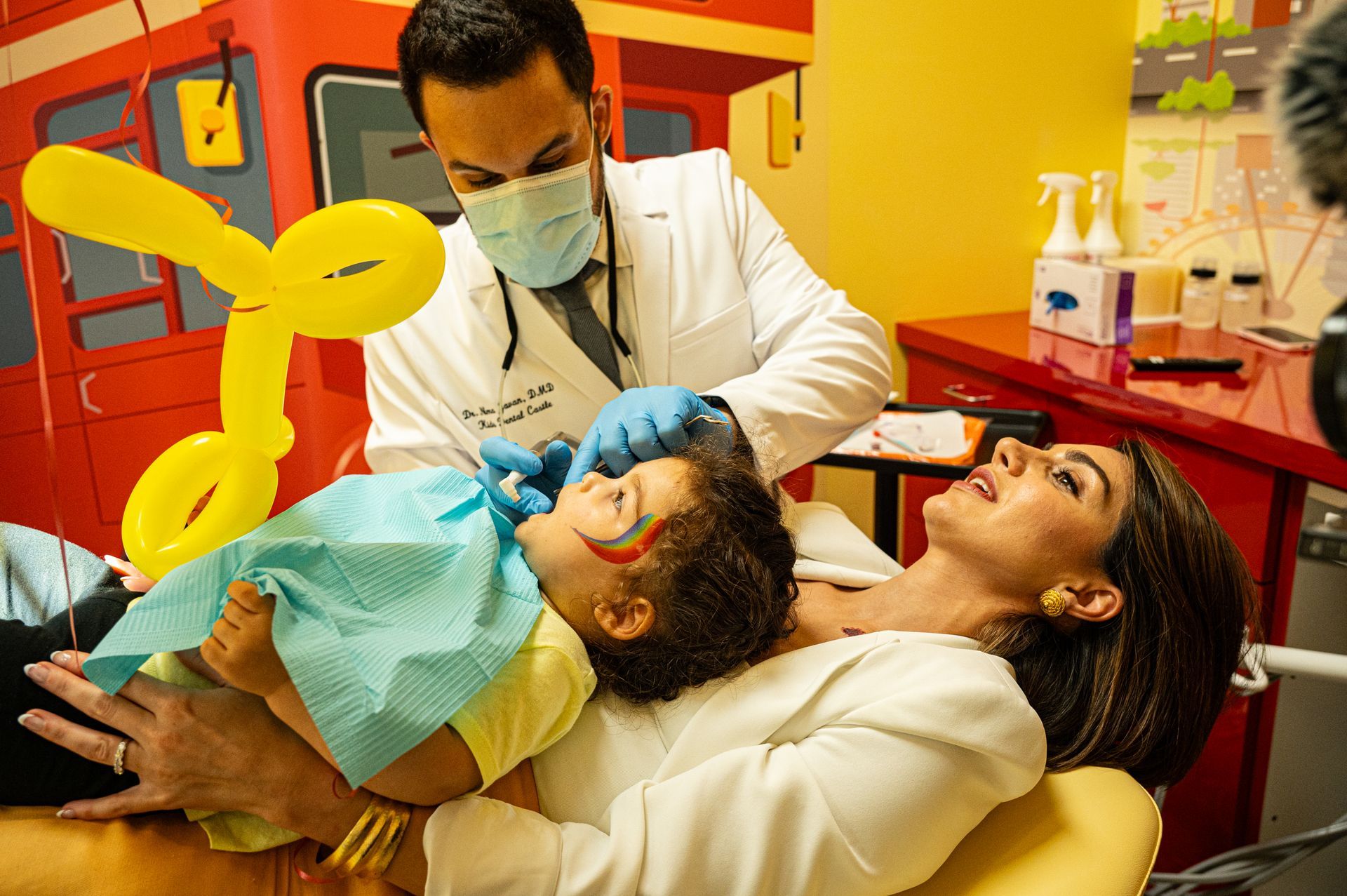
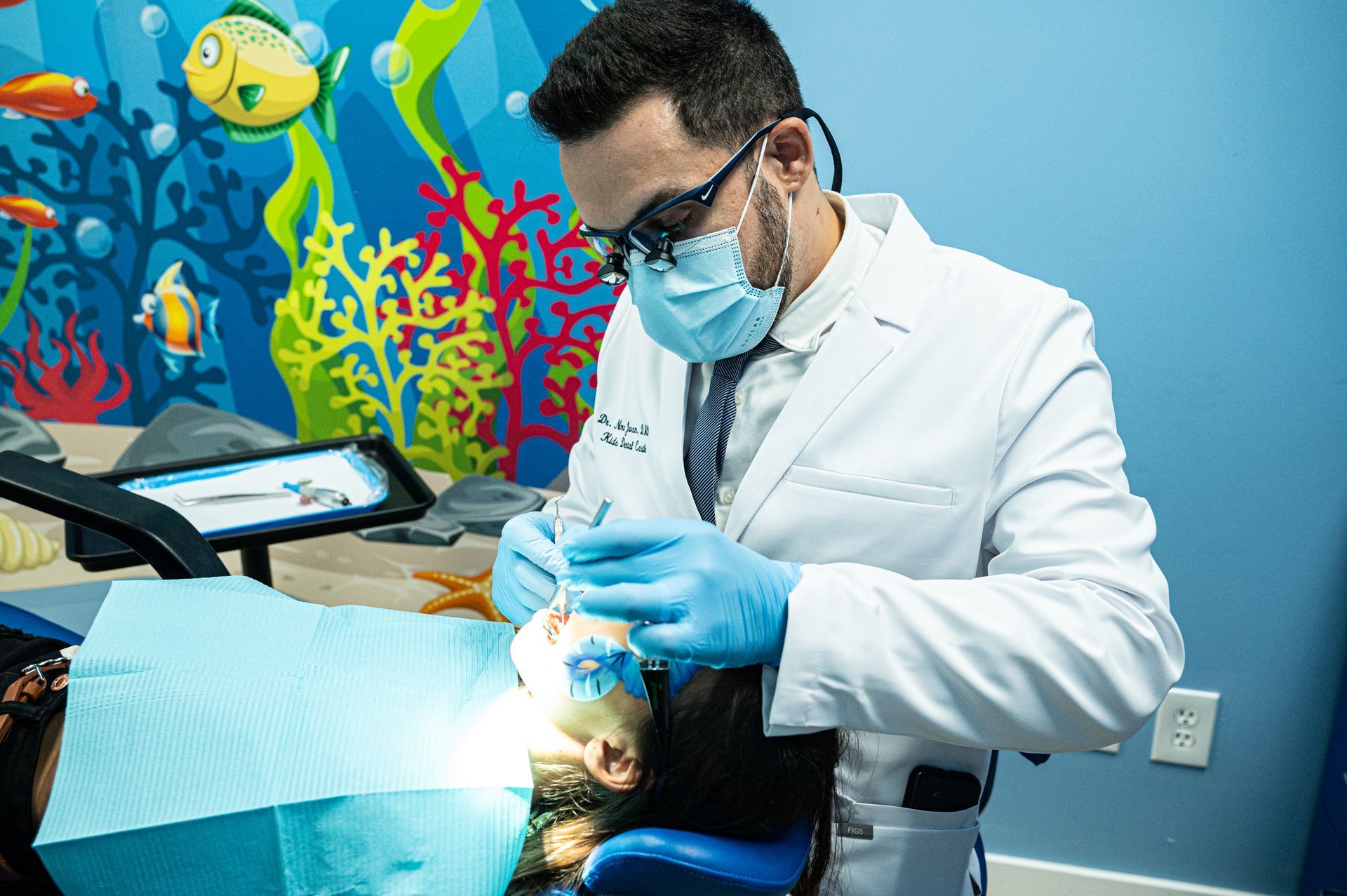
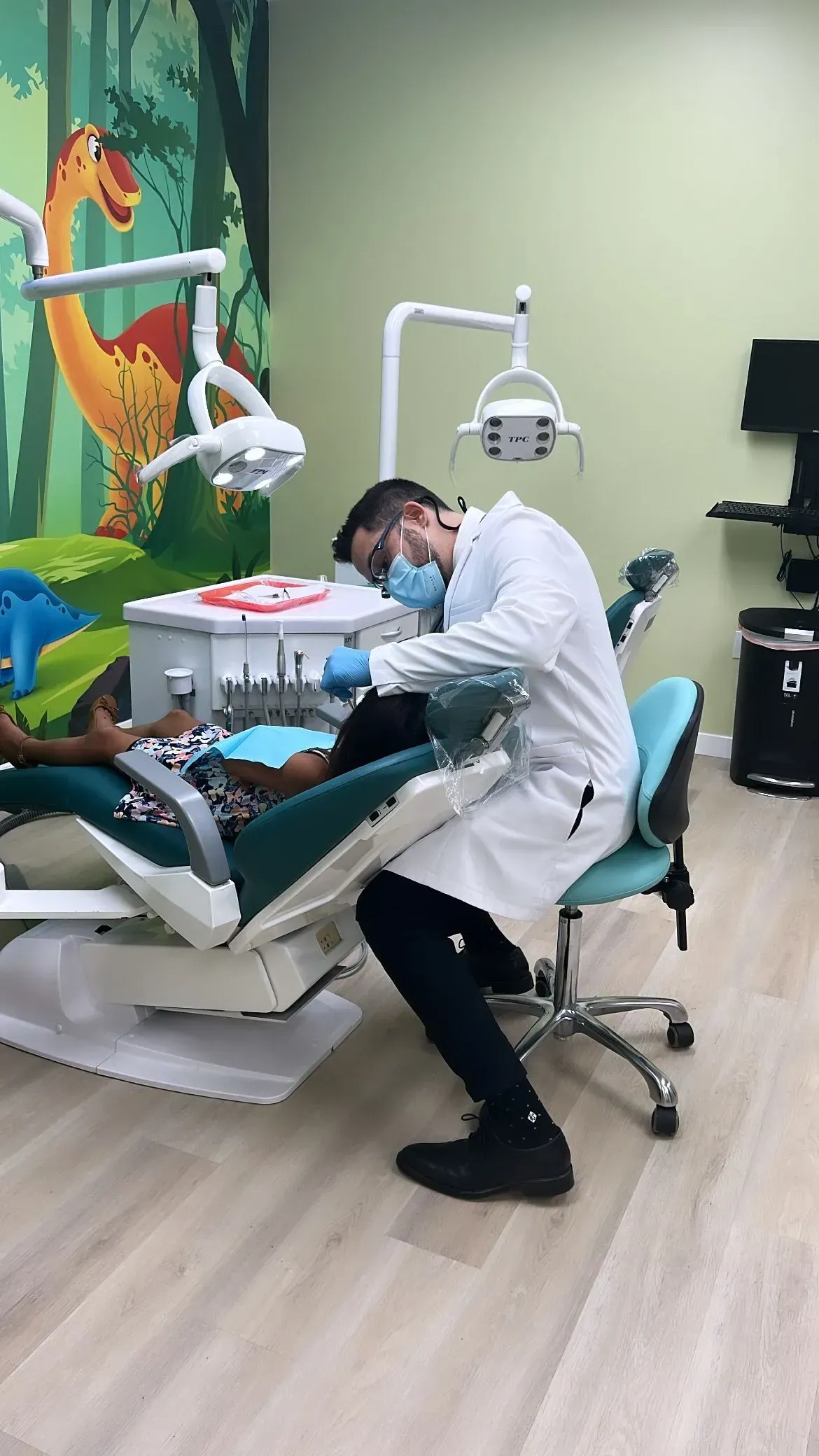
Parent and child receiving emergency pediatric dental care in Pomona CA


When a child has sudden dental pain, swelling, bleeding, or a broken tooth, parents often face the same question:

Should I call a dentist, or should I take my child to the emergency room?

The answer depends on the type of injury and whether there are signs of a serious medical emergency.

For most toothaches, broken teeth, dental infections, and knocked-out teeth, a pediatric dentist is usually the best place to start. But certain symptoms — such as difficulty breathing, severe facial trauma, or uncontrolled bleeding — require immediate medical attention.

Kids Dental Castle & Orthodontics provides emergency pediatric dental care in Pomona, CA for children with urgent dental problems.

If you are unsure what to do, call 909-741-7052 and our team can help guide you.

When Should I Call an Emergency Pediatric Dentist?

A pediatric dentist is usually the appropriate first call when your child has a problem involving the teeth, gums, or mouth without signs of a serious medical emergency.

Contact a pediatric dentist for problems such as:

  • Severe or persistent tooth pain
  • A broken or chipped tooth
  • A knocked-out permanent tooth
  • Dental swelling or an abscess
  • A loose or displaced tooth after an injury
  • Bleeding around a tooth or gum injury
  • A lost filling or crown causing pain
  • Dental trauma from a fall or sports injury
  • Pain that prevents your child from eating or sleeping

Getting dental care promptly can often relieve pain, treat infection, and improve the chance of saving an injured tooth.

When Should I Take My Child to the ER?

Some situations go beyond a typical dental emergency and should be treated as a medical emergency.

Go to the emergency room or seek immediate medical care if your child has:

  • Difficulty breathing
  • Difficulty swallowing
  • Severe or rapidly increasing facial swelling
  • Uncontrolled bleeding
  • A suspected broken jaw
  • Major facial trauma
  • Loss of consciousness
  • A serious head injury
  • Severe illness associated with dental swelling or infection

These symptoms may require hospital-level evaluation and treatment before dental care can be provided.

What Should I Do If My Child Knocks Out a Permanent Tooth?

A knocked-out permanent tooth is one of the most time-sensitive dental emergencies.

If your child knocks out a permanent tooth:

  1. Pick the tooth up by the crown, not the root.
  2. If it is dirty, gently rinse it with water.
  3. Do not scrub the tooth or remove attached tissue.
  4. If possible, carefully place it back into the socket.
  5. If you cannot reinsert it, keep it moist in milk.
  6. Call an emergency dentist immediately.

The sooner a knocked-out permanent tooth is treated, the better the chance may be of saving it.

Do not attempt to place a knocked-out baby tooth back into the socket.

Reinserting a baby tooth can potentially damage the permanent tooth developing underneath.

What If My Child Breaks or Chips a Tooth?

If your child chips or breaks a tooth, rinse the mouth gently with water.

If swelling develops, place a cold compress on the outside of the face.

If you find the broken piece of tooth, save it and bring it to the dental appointment.

Even if your child is not experiencing significant pain, a broken tooth should usually be evaluated because damage may extend deeper than what is visible.

What If My Child Has a Severe Toothache?

Tooth pain in children can be caused by:

  • Tooth decay
  • Dental infection
  • Trauma
  • A cracked tooth
  • Food trapped between teeth
  • Gum irritation

Have your child rinse gently with warm water and carefully floss around the painful area if possible.

Do not place aspirin directly against the tooth or gum.

If the pain is severe, persistent, interrupts sleep, or occurs with swelling or fever, contact a pediatric dentist promptly.

What If My Child Has Facial Swelling or a Dental Abscess?

Swelling around a tooth or on the face can be a sign of infection.

Dental infections should not be ignored because they can sometimes spread beyond the affected tooth.

Call a dentist promptly if your child has:

  • Tooth pain with swelling
  • Swollen gums
  • A bump or drainage around a tooth
  • Facial swelling
  • Pain when biting or chewing

If facial swelling becomes significant, spreads rapidly, or is associated with difficulty breathing or swallowing, seek emergency medical care immediately.

Should I Go to the ER for a Broken Tooth?

Usually, no.

A pediatric dentist is generally better equipped to evaluate and treat a broken or injured tooth.

However, the emergency room may be appropriate if the dental injury occurred along with:

  • Severe facial trauma
  • A suspected jaw fracture
  • Uncontrolled bleeding
  • Loss of consciousness
  • A serious head injury

The ER can address life-threatening or major medical injuries, while the dentist treats the tooth itself.

Can the Emergency Room Fix a Dental Problem?

Emergency rooms can help manage serious medical complications, severe infections, trauma, bleeding, and pain.

However, most hospitals are not equipped to provide definitive dental treatment such as:

  • Repairing a broken tooth
  • Treating a cavity
  • Restoring an injured tooth
  • Performing routine dental extractions
  • Managing many tooth-specific emergencies

That is why most dental emergencies ultimately require evaluation by a dentist.

What Should I Bring to an Emergency Dental Appointment?

If possible, bring:

  • Your child’s insurance information
  • A list of medications
  • Relevant medical information
  • Any broken pieces of the tooth
  • The knocked-out tooth, if applicable
  • Information about how and when the injury occurred

For injuries, knowing exactly when the accident happened can sometimes affect treatment decisions.

How Can I Prevent Dental Emergencies?

Not every accident can be prevented, but parents can reduce the risk of dental injuries.

Encourage your child to:

  • Wear a mouthguard during contact sports
  • Avoid chewing ice and very hard foods
  • Never use teeth to open packaging
  • Wear appropriate protective equipment during sports
  • Attend regular dental examinations
  • Treat cavities before they become painful or infected

Routine preventive dental care can also identify problems before they turn into emergencies.

  • Should I take my child to the ER for a toothache?

    A toothache without serious medical symptoms is usually best evaluated by a dentist. Seek emergency medical care if the child has severe facial swelling, difficulty breathing or swallowing, significant trauma, or appears seriously ill.

  • What if my child has a dental emergency after hours?

    If the problem involves severe facial swelling, breathing or swallowing difficulty, uncontrolled bleeding, significant trauma, or another serious medical concern, seek emergency medical care.


    For other urgent dental problems, contact your dental office for instructions and arrange an evaluation as soon as possible.

  • Can a dentist treat facial swelling from an infected tooth?

    A dentist can evaluate whether the swelling is caused by a dental infection and determine the appropriate dental treatment. Severe or rapidly spreading swelling may require emergency medical care.

  • Does my child need a dentist for a chipped tooth if there is no pain?

    Yes. Some tooth fractures may involve deeper structures even when the child is not experiencing pain. A dental examination can determine whether treatment is necessary.

Emergency Pediatric Dental Care in Pomona, CA

Kids Dental Castle & Orthodontics provides emergency pediatric dental care for children with toothaches, broken teeth, knocked-out teeth, dental infections, swelling, and other urgent dental concerns.

If your child has a dental emergency, call:

Kids Dental Castle & Orthodontics
1532 San Bernardino Ave #A1
Pomona, CA 91767
909-741-7052

Our team can help determine the appropriate next step and arrange an evaluation when needed.

Need an Emergency Pediatric Dentist?

If your child has dental pain, swelling, trauma, or another urgent dental problem, call 909-741-7052.

CALL NOW
By Kids Dental castle August 26, 2026
Does Medi-Cal Cover Kids’ Dental Care in Pomona? A Parent’s Guide to Denti-Cal If your child has Medi-Cal, you may be wondering what dental services are covered, whether you need a separate dental plan, and how to find a pediatric dentist in Pomona who accepts Denti-Cal. The good news is that eligible children with Medi-Cal have access to a broad range of dental benefits through California’s Medi-Cal Dental program, commonly known as Denti-Cal. Coverage can include preventive care, cavity treatment, emergency dentistry, extractions, and certain specialty services when medically necessary. At Kids Dental Castle & Orthodontics in Pomona, we accept Denti-Cal and help families understand their benefits, verify coverage, and navigate prior authorization requirements when needed. What Is Denti-Cal? Denti-Cal is the dental benefits program within California’s Medi-Cal system. For eligible children enrolled in Medi-Cal, dental benefits are available through Medi-Cal Dental or an assigned dental plan, depending on the patient’s coverage. Parents do not need to purchase separate private dental insurance in order to use covered Medi-Cal Dental benefits. What Dental Services Does Denti-Cal Cover for Kids? Children under age 21 may receive a wide range of covered dental services. Depending on eligibility and clinical need, these can include: Routine dental exams Professional cleanings Dental X-rays when necessary Fluoride treatments Dental sealants Fillings for cavities Pediatric dental crowns Tooth extractions Emergency dental care Treatment for dental infections Certain medically necessary orthodontic treatment Orthodontic treatment such as braces may be covered when specific clinical criteria are met. Cosmetic orthodontic treatment is generally not covered and prior authorization may be required. Does Denti-Cal Cover Sedation Dentistry? Denti-Cal may cover sedation dentistry when there is a documented clinical need. This may include situations where a child: Has significant dental anxiety Has special healthcare needs Has difficulty safely tolerating treatment Requires extensive dental treatment Needs a complex dental or surgical procedure Depending on the type of sedation and planned treatment, prior authorization may be required. At Kids Dental Castle & Orthodontics, our team can help with the authorization process and submit the necessary documentation when appropriate. What About Oral Surgery and Tooth Extractions? Medi-Cal Dental may also cover medically necessary dental extractions and oral surgery procedures. This can include treatment for teeth that are severely decayed, infected, damaged, impacted, or otherwise require removal. More complex procedures may require clinical documentation or prior authorization. Our Pomona office provides oral surgery and extraction services, with sedation options available when appropriate. Finding a Denti-Cal Pediatric Dentist in Pomona If your child has Medi-Cal or Denti-Cal, it is important to choose a dental office that can work with your child’s coverage and is experienced in treating children. Kids Dental Castle & Orthodontics accepts Denti-Cal and provides pediatric dental care in a child-friendly setting. Families can also access additional services in the same office, including orthodontics, sedation dentistry, special needs dentistry, oral surgery, and wisdom teeth care. How Do I Verify My Child’s Denti-Cal Benefits? Before your child’s visit, it is a good idea to confirm that coverage is active and determine whether any planned treatment requires authorization. You can call Kids Dental Castle & Orthodontics at 909-741-7052 . Our front desk team can help verify your child’s Denti-Cal benefits before the appointment and explain any authorization requirements that may apply. You can also review your child’s Medi-Cal Dental information directly through the appropriate state or dental plan resources. What Should I Bring to My Child’s Appointment? For your child’s first visit, bring: Your child’s Medi-Cal or Denti-Cal information Parent or guardian photo identification Any recent dental records or X-rays, if available A list of medications or important medical information Having this information available can make insurance verification and check-in easier. Frequently Asked Questions Will my family have to pay out of pocket? For eligible Medi-Cal Dental patients, covered dental services are provided with no out-of-pocket cost to the family . This includes covered preventive, restorative, emergency, and other medically necessary dental treatment when eligibility and authorization requirements are met. Does Denti-Cal cover routine dental visits for children? Yes. Eligible children can receive covered preventive dental services such as exams, cleanings, X-rays, fluoride treatments, and sealants. Regular dental visits are important for preventing cavities and identifying dental problems early. Can my child switch to Kids Dental Castle if they already have another Denti-Cal dentist? Yes. Depending on the type of Medi-Cal Dental plan, families may be able to select or change their dental provider. If you are unsure how to change your child’s dentist, contact our office and our team can help explain the process. Does Denti-Cal cover braces? Denti-Cal may cover orthodontic treatment when the child meets specific medical and clinical criteria. Braces are generally not covered solely for cosmetic tooth straightening. Our orthodontic team can evaluate your child and determine whether the case may meet Denti-Cal requirements. Does Denti-Cal cover Invisalign? Invisalign coverage through Medi-Cal Dental is more limited and depends on eligibility, medical necessity, and plan requirements. Our orthodontic team can evaluate your child and discuss whether braces, Invisalign, or another orthodontic option is appropriate. What if my child has a dental emergency? If your child has dental pain, swelling, a broken tooth, dental trauma, or another urgent problem, call 909-741-7052 . Our team can help determine how quickly your child should be evaluated and assist with coverage questions when needed. Denti-Cal Pediatric Dentist Serving Pomona and Nearby Communities Kids Dental Castle & Orthodontics provides pediatric dental care for families in Pomona and surrounding communities. Our services include: Pediatric dental exams and cleanings Fluoride treatments and sealants Cavity treatment Pediatric crowns Dental extractions Emergency pediatric dentistry Special needs dentistry Nitrous oxide IV sedation and general anesthesia Orthodontics and braces Oral surgery and wisdom teeth care Our goal is to make dental care easier for families by providing multiple dental services in one comfortable, child-friendly location. Schedule Your Child’s Dental Visit If your child has Medi-Cal or Denti-Cal and you have questions about coverage, call Kids Dental Castle & Orthodontics at 909-741-7052 . Our team can help verify benefits, explain treatment options, and schedule your child’s appointment. Schedule an Appointment This article is for general educational purposes. Medi-Cal Dental eligibility, benefits, and authorization requirements may vary by patient and plan.
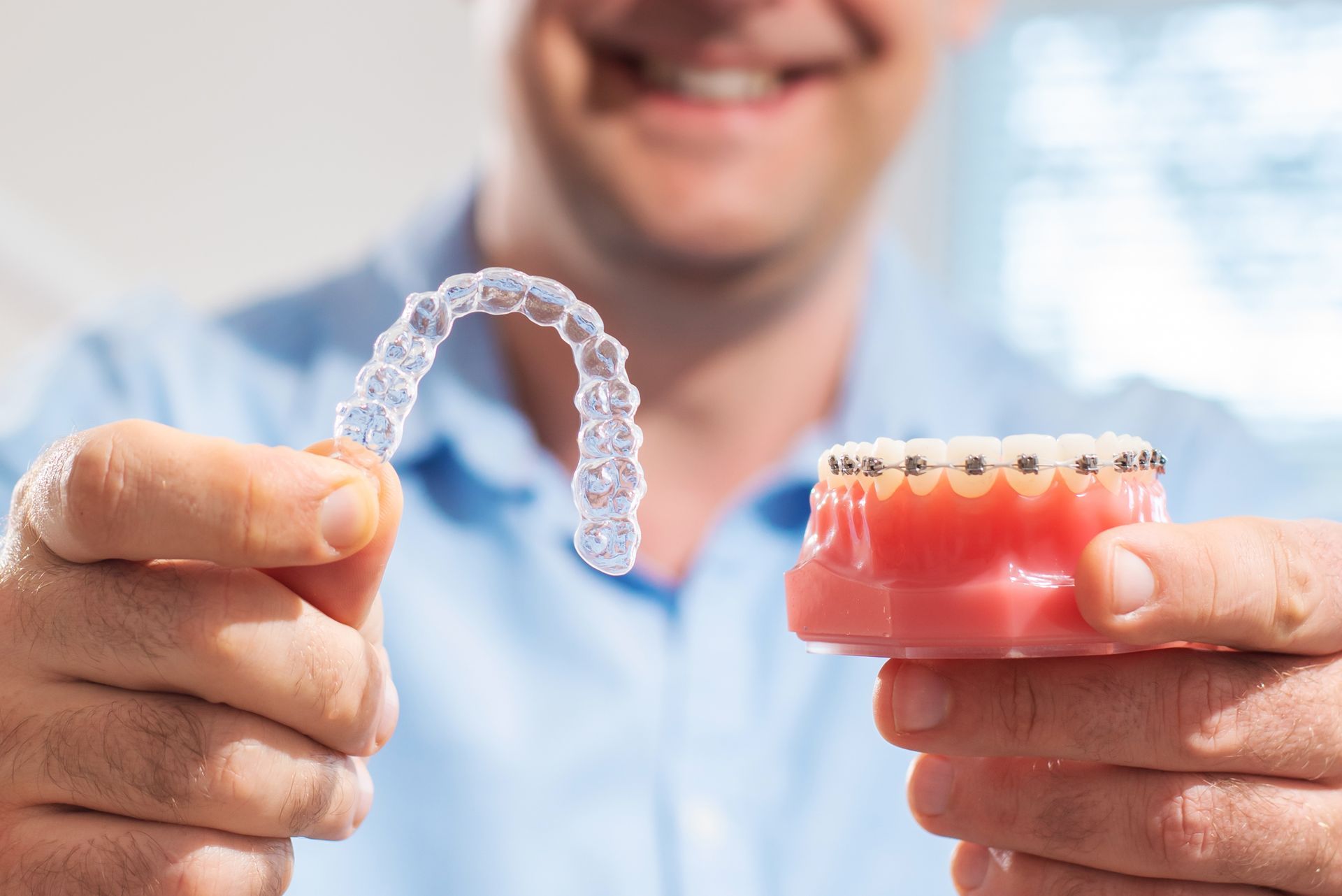
Braces and Invisalign orthodontic treatment at Kids Dental Castle in Pomona CA
By Kids Dental Castle and Orthodontics August 20, 2026
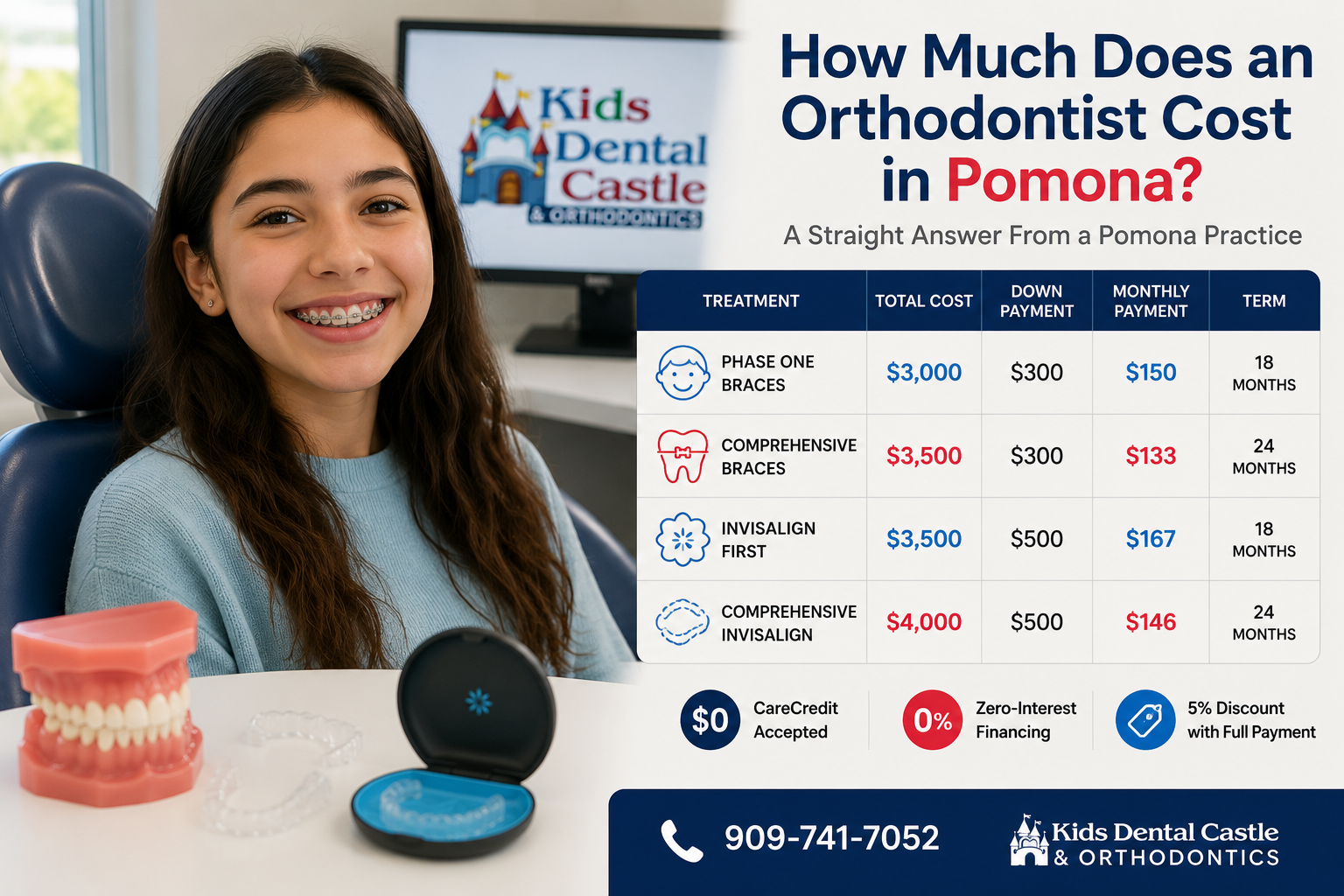
How much do braces and Invisalign cost in Pomona? See our 2026 prices, down payments and zero-interest monthly payment options.
By Nima Javan August 15, 2026
When Should My Child See an Orthodontist? A Pomona Parent’s Guide If you’ve ever looked at your child’s smile and wondered whether that overlapping tooth, gap, or developing bite is something to worry about, you’re not alone. One of the most common questions parents ask us at Kids Dental Castle & Orthodontics is: When should my child first see an orthodontist? The Simple Answer: By Age 7 The American Association of Orthodontists (AAO) recommends that children have their first orthodontic evaluation no later than age 7 . That doesn’t mean your 7-year-old needs braces. In fact, many children evaluated at this age won’t need orthodontic treatment right away. By around age 7, children typically have a combination of baby teeth and permanent teeth. This “mixed dentition” stage gives an orthodontist an opportunity to evaluate how the permanent teeth are erupting, how the bite is developing, and how the upper and lower jaws are growing. Certain orthodontic problems may be easier to manage when identified while a child is still growing. What Does an Orthodontist Look for at Age 7? A first orthodontic evaluation isn’t about automatically putting braces on a young child. Often, the best recommendation is simply to monitor growth and development. An orthodontist may evaluate: Crowding or spacing as permanent teeth begin to erupt Jaw growth and development , including the relationship between the upper and lower jaws Bite alignment , including crossbites, underbites and excessive overbites Eruption patterns of permanent teeth Oral habits that may affect development, such as prolonged thumb or finger sucking One thing we often explain to parents at Kids Dental Castle is that an age-7 orthodontic evaluation is not the same thing as recommending braces at age 7 . For many children, the best plan is simply to monitor their growth until the appropriate time for treatment. Signs Your Child May Need an Earlier Orthodontic Evaluation Age 7 is a useful general guideline, but certain signs are worth discussing with your child’s dentist or orthodontist sooner: Early or late loss of baby teeth Difficulty chewing or biting Persistent thumb or finger sucking Teeth that appear crowded or misplaced Upper and lower teeth that don’t meet properly A jaw that appears to shift when your child bites Teeth that protrude significantly Concerns about your child’s developing bite or jaw If you notice something unusual, you don’t have to wait until age 7 to ask about it. Why Can Early Detection Be Helpful? The purpose of an early orthodontic evaluation is to identify problems at a time when growth and development may still provide treatment options. Depending on the individual child and orthodontic problem, early evaluation may help an orthodontist determine whether treatment could: Create or preserve space for developing permanent teeth Address certain crossbites or jaw-growth concerns Reduce the risk of trauma to significantly protruding front teeth Address oral habits that are affecting the bite Determine the best timing for future orthodontic treatment Not every orthodontic problem benefits from early treatment. In many cases, monitoring the child and waiting for additional permanent teeth to erupt is the appropriate approach. What If My Child Does Need Early Orthodontic Treatment? When early treatment is recommended, there should be a specific reason why addressing the problem during growth may be beneficial. For example, certain bite or jaw-development problems may benefit from treatment while a child is still growing. The appropriate timing depends on the individual child, the orthodontic problem, and the stage of dental and facial development. If treatment isn’t necessary yet, your orthodontist can continue monitoring your child and recommend treatment when the timing is appropriate. Frequently Asked Questions Does every 7-year-old need braces? No. An orthodontic evaluation at age 7 does not mean braces will be recommended. Many children simply need periodic monitoring as their permanent teeth and jaws continue developing. Is age 8, 9 or 10 too late for a first orthodontic evaluation? No. If your child is already older than 7 and has never had an orthodontic evaluation, it is still worthwhile to schedule one. Age 7 is a recommended time for an initial assessment—not a deadline after which orthodontic care becomes ineffective. What happens at my child’s first orthodontic evaluation? The orthodontist evaluates your child’s teeth, bite and jaw development. Depending on the situation, additional dental records or imaging may be recommended. After the evaluation, the orthodontist can explain whether treatment is needed now, should be considered later, or is unnecessary. Can my child see an orthodontist even if their teeth look straight? Yes. Some developing bite and jaw problems aren’t obvious simply by looking at the front teeth. An orthodontic evaluation considers how the teeth and jaws fit and develop together. Children’s Orthodontics in Pomona, Claremont, Chino & Upland At Kids Dental Castle & Orthodontics , our pediatric dental and orthodontic teams work together to make dental and orthodontic visits comfortable for children and convenient for parents. Our Pomona office serves families from Pomona, Claremont, Chino, Upland and surrounding communities . If your child is approaching age 7—or is already older and hasn’t had an orthodontic evaluation—an evaluation can help you understand how their smile and bite are developing and whether anything needs to be addressed now or simply monitored. Ready to schedule your child’s orthodontic evaluation? Call 909-741-7052 or request an appointment online . This article is for general educational purposes and does not replace an individualized dental or orthodontic evaluation. Reviewed by Dr. Lyndon Tran, Orthodontist, Kids Dental Castle & Orthodontics
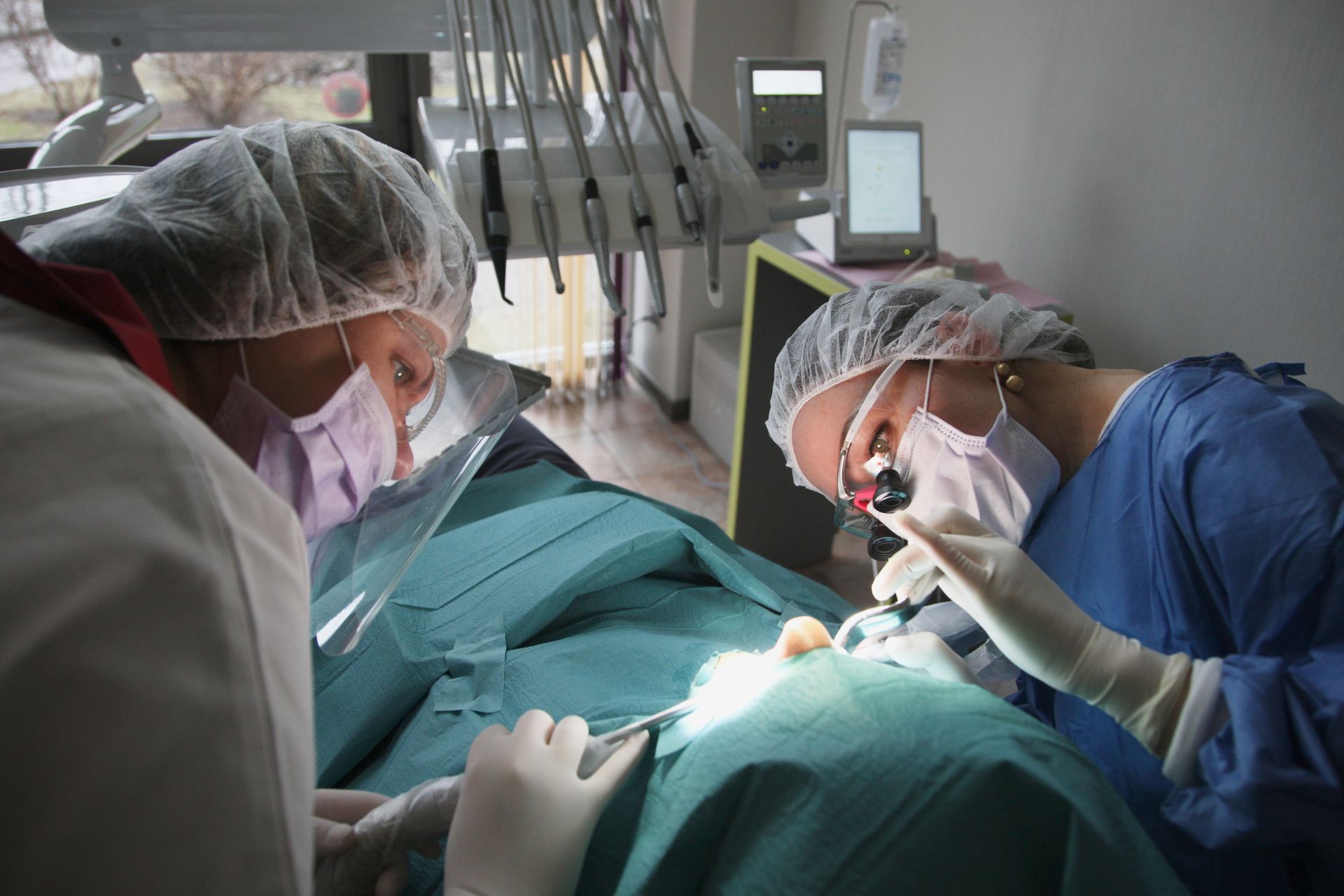
dental team performing a surgical procedure under bright operating lights inside a sterile hospital
By Nima Javan April 23, 2026
Learn when children may need oral surgery, common reasons for treatment, sedation options, and what parents near Upland, CA can expect.
Invisalign Orthodontist
January 28, 2026
Learn about the differences in Invisalign treatment for kids vs. adults. Compare the benefits, timelines, and effectiveness of this popular orthodontic solution for both age groups. Contact us now!
Invisalign vs. Braces
January 21, 2026
Explore the key differences between Invisalign and traditional braces for children at Kids Dental Castle And Orthodontics. Discover which option offers better comfort, appearance, and treatment results for your child’s smile. Call us now!