As a parent, it's not always obvious when a "normal" kid complaint needs professional attention. Here are 7 signs it may be time to bring your child in sooner rather than later.
7 Signs Your Child May Need to See a Pediatric Dentist Soon
As a parent, it's not always obvious when a "normal" kid complaint — like a sore tooth or a little sensitivity — is something that needs professional attention. Most children see the dentist every six months for routine checkups, but some signs mean you shouldn't wait for the next scheduled visit.
Here are seven signs it may be time to bring your child in sooner rather than later.
1. Complaining of Tooth Pain
Occasional sensitivity to hot or cold is common, but persistent or recurring tooth pain is not something to wait out. Pain can signal a cavity, infection, or a cracked tooth, and catching it early usually means simpler, less invasive treatment.
2. Swelling in the Face, Gums, or Jaw
Swelling — especially if it comes with pain, fever, or your child seeming generally unwell — can indicate a dental infection or abscess. This is one of the signs we consider urgent enough to see the same day if possible.
3. A Chipped, Cracked, or Knocked-Out Tooth
Dental injuries are common in active kids, whether from sports, playground falls, or just everyday roughhousing. Even if a tooth looks fine on the surface, an evaluation helps rule out damage to the nerve or root that isn't visible to the eye.
4. Bleeding or Swollen Gums
A little bleeding during brushing can sometimes be normal, especially if a child is brushing too hard or just started flossing. But gums that bleed regularly, look puffy, or seem irritated can be an early sign of gum disease, which is treatable but shouldn't be ignored.
5. Difficulty Chewing or Persistent Bad Breath
If your child avoids chewing on one side of their mouth, or bad breath doesn't go away even with good brushing habits, it's worth having a dentist take a look. Both can point to a cavity, infection, or another underlying issue.
6. Visible Cavities, Dark Spots, or White Spots on Teeth
Dark or discolored spots on teeth can be early cavities, while chalky white spots can indicate the very earliest stage of tooth decay, before a cavity fully forms. Both are much easier to treat when caught early.
7. It's Been More Than Six Months Since Their Last Visit
Even without any obvious symptoms, waiting too long between checkups means small problems have more time to become bigger ones. Routine visits also include fluoride treatments and sealants that help prevent future issues.
What to Do If You Notice Any of These Signs
If your child is showing any of these signs, don't wait for their next scheduled cleaning; call our office and we'll help you figure out how soon they should be seen. For anything involving swelling, significant pain, or a dental injury, we recommend calling right away.
Frequently Asked Questions
How do I know if my child's tooth pain is an emergency?
Severe pain, visible swelling, fever, or an injury involving a knocked-out or badly broken tooth should be treated as urgent. Call our office right away so we can advise you on next steps.
My child says a tooth hurts but I don't see anything wrong. Should I still bring them in?
Yes. Many dental problems, including early cavities and issues below the gumline, aren't visible without an exam and X-rays.
Can baby teeth get cavities that need treatment, since they'll fall out anyway?
Yes. Cavities in baby teeth can cause pain and infection, and can also affect the permanent teeth developing underneath. Baby teeth should be treated just as seriously as adult teeth.
What if my child is scared to come in because of pain or a bad experience?
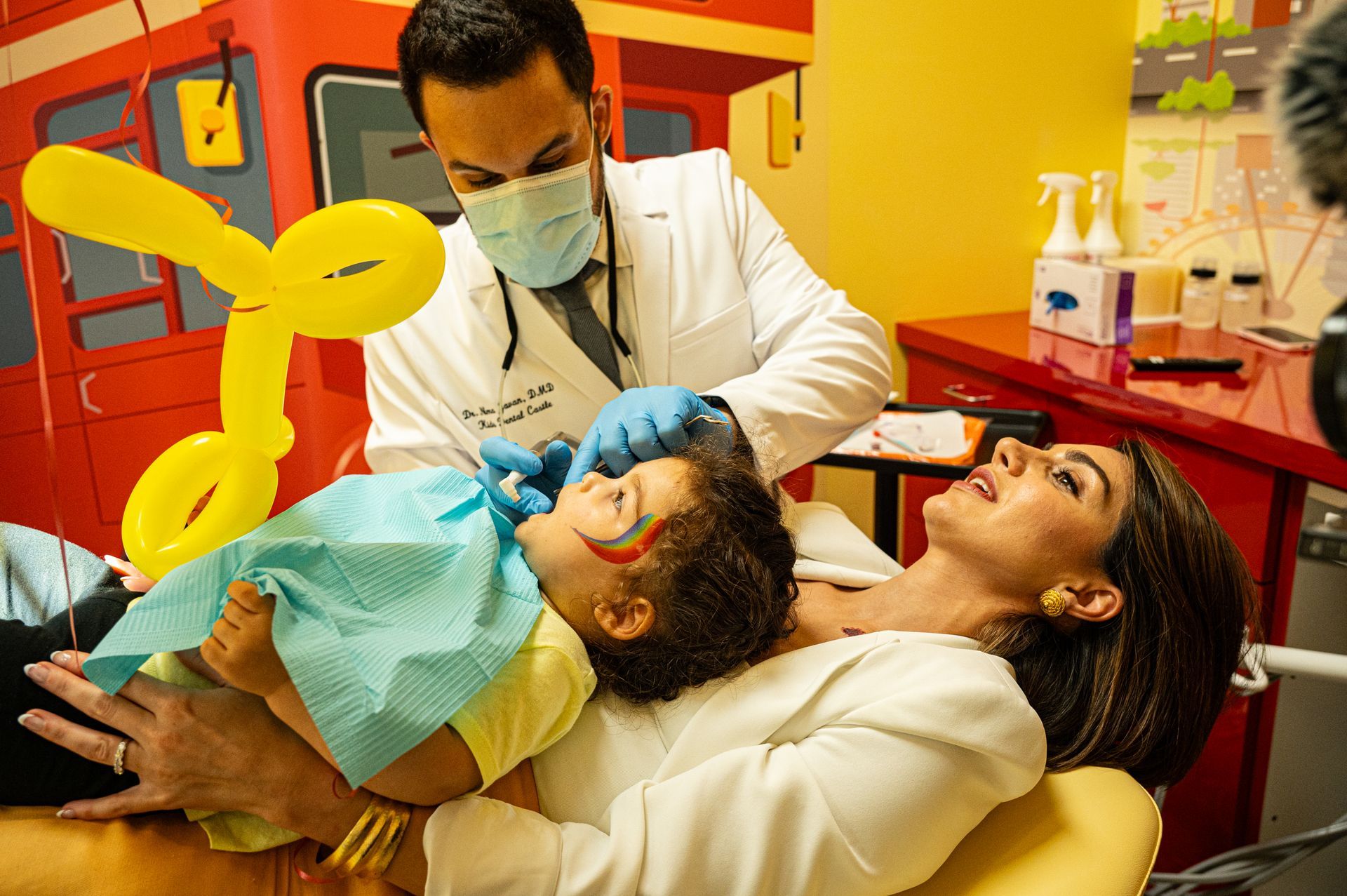
Our team specializes in helping anxious kids feel safe and comfortable, and we offer sedation options such as nitrous oxide when appropriate.
Pediatric Dental Care in Pomona, Chino, Chino Hills, Claremont & Nearby Communities
At Kids Dental Castle & Orthodontics, we make it easy for parents to get quick answers and fast appointments when something doesn't seem right. If you've noticed any of these signs, don't wait — call 909-741-7052 or request an appointment online.
This article is for general educational purposes and does not replace an individualized dental evaluation.
Related pages: what happens at a first visit, for Diamond Bar families, a kids' dentist near La Verne scheduled around the school year, and children's dentist near Ontario.
Pediatric Dental & Orthodontic Blog in Pomona, CA